

Note from the editors: We’re making a few changes at The Ecomodernist. To date, we’ve kept each and every piece free to all readers. Starting soon, we’ve decided to put some of our content behind a paywall while lowering our monthly and annual subscription fees by half.
Most of the paywalled content will be what we are calling “Breakthrough Deep Dives.” These pieces will take on more technical topics, and provide readers with background context, and clear arguments written by Breakthrough Institute analysts. We will also be publishing more monthly paid-only content such as reading lists, staff profiles, and more.
The Ecomodernist remains committed to publishing novel analyses that help to construct a better environmental politics for the 21st Century. Paywalling some of our content can help support our work and take advantage of Substack’s promotional algorithm.
Heavy industry—with CAPEX averaging in the hundreds of millions of dollars and decades-long iteration cycles—carries a kind of technological inertia, making it highly resistant to the disruptive innovation often seen in consumer goods and software. For many chemical and metallurgical commodities, the displacement of an incumbent production process is unprecedented in modern history. Every aluminum smelter in the world runs on the Hall-Héroult process, and we depend on the Haber-Bosch process to create our global supply of ammonia despite the two processes being invented in 1886 and 1913, respectively.
Instead, the majority of industrial innovations improve efficiency at the margins. Installing a new tray type in a distillation column or controlling a molten salt electrolysis cell differently might make a system 0.1% more efficient but still save hundreds of thousands of dollars annually. Relatively marginal innovations, accumulated over time, are what let today’s aluminum smelters use around 60% less energy per kg than in the early 1900s and modern Haber–Bosch plants boast about 4 times higher energy efficiency than plants in 1930.
But incremental innovation can only take us so far. Constrained by the laws of thermodynamics, efficiency gains in the coming decades could begin to decrease asymptotically as industrial processes approach their theoretical maximum efficiencies.
Apparent logarithmic behavior of aluminum smelting electricity intensity over time. Data from The Metallurgical Society and the International Aluminum Institute.
Countries seeking to support disruptive innovation to meet goals of decarbonization, reindustrialization, and economic growth will have to overcome the high barriers to industrial innovation. Success may require a new policy playbook that addresses the unique economic and technical risks for large industrial projects. Such policy thinking will benefit from a closer look at the few rare instances wherein a new industrial process has undergone mass adoption. Two such cases recently occurred in the nickel industry, turning Indonesia into the nickel capital of the world. The histories of these processes suggest that risk-tolerant capital, regulatory clarity, and hands-on technical experience may be three foundational pillars of industrial innovation that underpin invention, scaling, and commercialization.
How Did Indonesia Come to Lead the World in Nickel Processing?
In the last 20 years, Indonesia has undergone a meteoric rise up the nickel value chain. After trailing the Philippines as the largest exporter of nickel ores and concentrates in 2006, Indonesia increased its exports from 4.4 million tons to 58 million tons in 2013—a thirteenfold increase. By 2020, Indonesia’s exports of nickel ore had dropped to zero, but it had surpassed China in production of nickel intermediates, firmly becoming the global leader of midstream nickel products.
Exports of nickel ores and concentrates (HS2604) by the top 3 historical exporters, expressed as a percentage of global exports by mass.
Production of ferronickel and nickel pig iron in Indonesia and China—data from USGS Minerals Yearbooks, Table 12.
At the heart of Indonesia’s explosive growth are two commodities, nickel pig iron (NPI) and mixed nickel-cobalt hydroxide precipitate (MHP), both made from lower-grade nickel laterite ores that were seen as uneconomic under older processing routes. The NPI route undercut ferronickel as the dominant feedstock for stainless steel by offering a cheaper alternative that contains less nickel but, chemically, is still “good enough” for steelmakers (NPI is 4-15% Ni, while ferronickel is 20-40% Ni). Similarly, the high-pressure acid leaching (HPAL) process allows battery makers to purchase MHP and upgrade it into battery-grade chemicals on-site, a cheaper and more streamlined supply chain than separately buying battery-grade nickel and cobalt from third-party vendors.
NPI smelting and HPAL matured into disruptive innovations in modern-day Indonesia, but their journeys to commercialization happened elsewhere over the course of many decades. Indonesia’s experience therefore speaks most directly to the conditions needed for scaling and deployment, not to the separate challenge of inventing new industrial processes. To inform a truly holistic industrial strategy, one must instead zoom out and extract takeaways across a much broader temporal and geographic domain.
When Nickel Pigs Fly: The Origins of Nickel Pig Iron
Meet Liu Guanghuo: a middle school dropout who quit his job at a Chinese state electricity bureau in 1984 to pursue his passion for metallurgy. Self-taught by metallurgy textbooks read in his spare time, Liu’s choice to abruptly change careers was inspired by a shiny pile of decades-old nickel ore; he told Bloomberg in 2014 he had always believed shiny things to be valuable. After over a decade of trial-and-error experimentation in a decades-old blast furnace (BF) left over from China’s Great Leap Forward, Liu succeeded in 1997 in upgrading low-grade laterites into NPI. He would hone and expand the BF NPI route over the coming years.
The timing was serendipitous. Liu took his technique to market by 2005-06, just in time to capitalize on skyrocketing stainless steel demand driven by China’s construction boom. His company, Huaguang Smelt Group, quickly broke into China’s top 100 most profitable companies.
Nickel prices skyrocketed in 2005-06, driven largely by China’s construction boom.
Liu took textbooks and a pile of ore that Albania traded to China in the 1950s and turned himself into a multi-millionaire. For a brief moment, it seemed that he would live out a quintessential Cinderella story. But Huaguang’s early success also teed it up for displacement.
Not only did Huaguang derisk the technical viability of laterite processing, but it also revealed a clear market for NPI and demonstrated to other potential entrants that production could earn a profit. Its dependence on the nickel bubble exposed it to depressed prices and weaker demand following the bubble’s pop in 2007 and during the 2008 financial crisis that followed. And the use of conventional blast furnaces constrained Huaguang’s ability to move down the cost curve and made its emissions-intensive facilities targets of growing environmental regulations. Liu had pioneered NPI, but his company wasn’t positioned well to produce it cheaply and at scale. Tsingshan, a Chinese metallurgy giant, was.
Tsingshan began exploring its own approach to laterite processing in 2006, having sensed that NPI had “become the mainstream process for producing nickel raw materials.” By 2008, Tsingshan had built an NPI production line that used rotary kiln electric furnaces (RKEFs) instead of blast furnaces and was fully integrated with downstream stainless steel production.
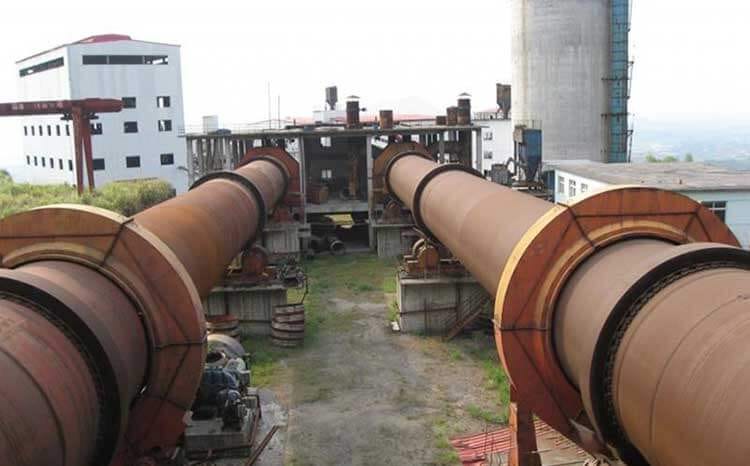
Unlike Huaguang, which produced NPI as a standalone intermediate to sell into the open market, Tsingshan approached NPI as an established stainless steel producer interested in expanding upstream. Most other firms, Huaguang included, would struggle to justify the high upfront costs and technological risks of constructing a new RKEF production line to pursue a potentially infeasible process. But Tsingshan had secure internal NPI demand, deep experience with RKEF technology, and a clear incentive to reduce its market exposure following the recent bubble pop and financial crisis. In this unique position, the cost-benefit analysis favored action.
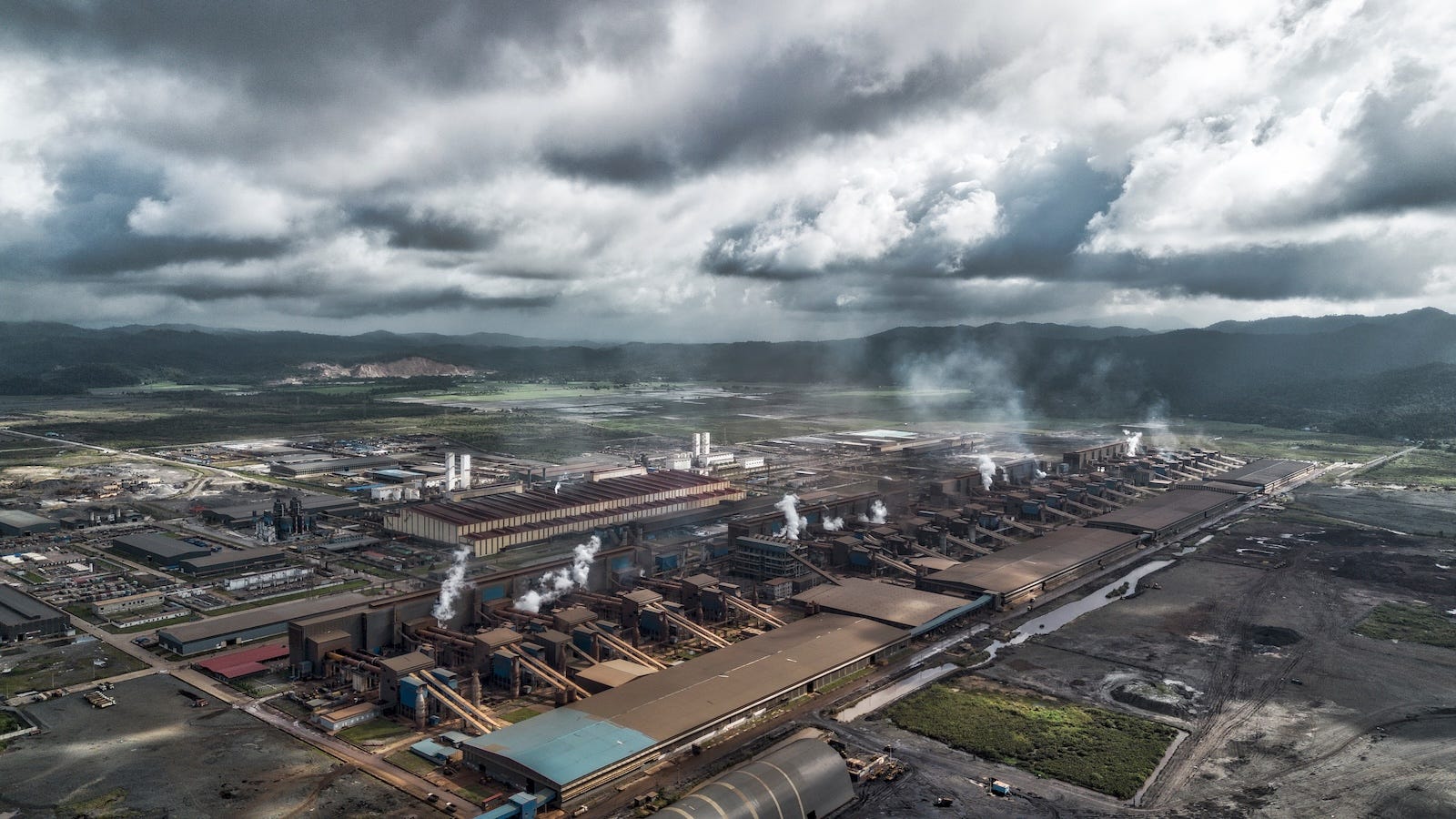
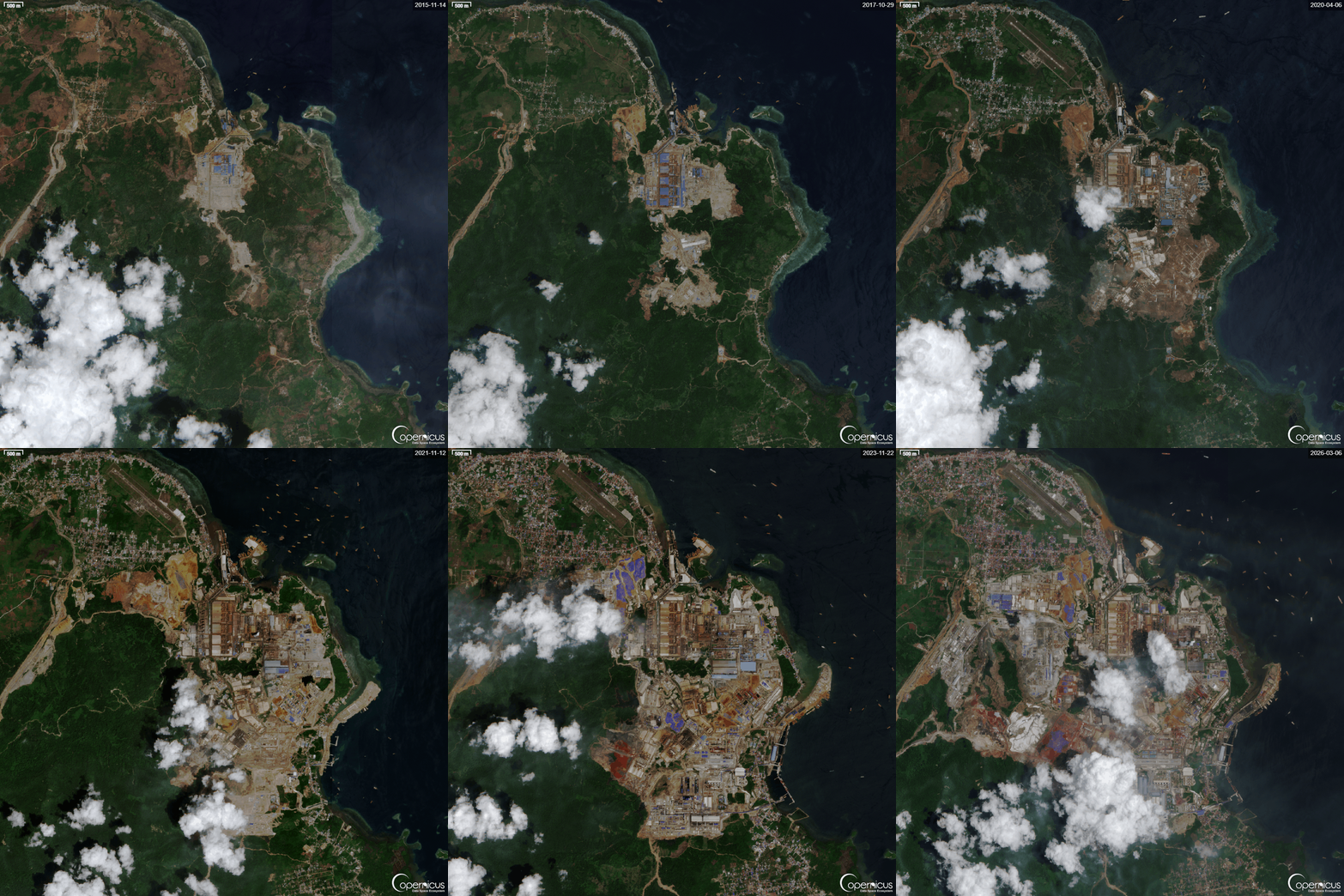
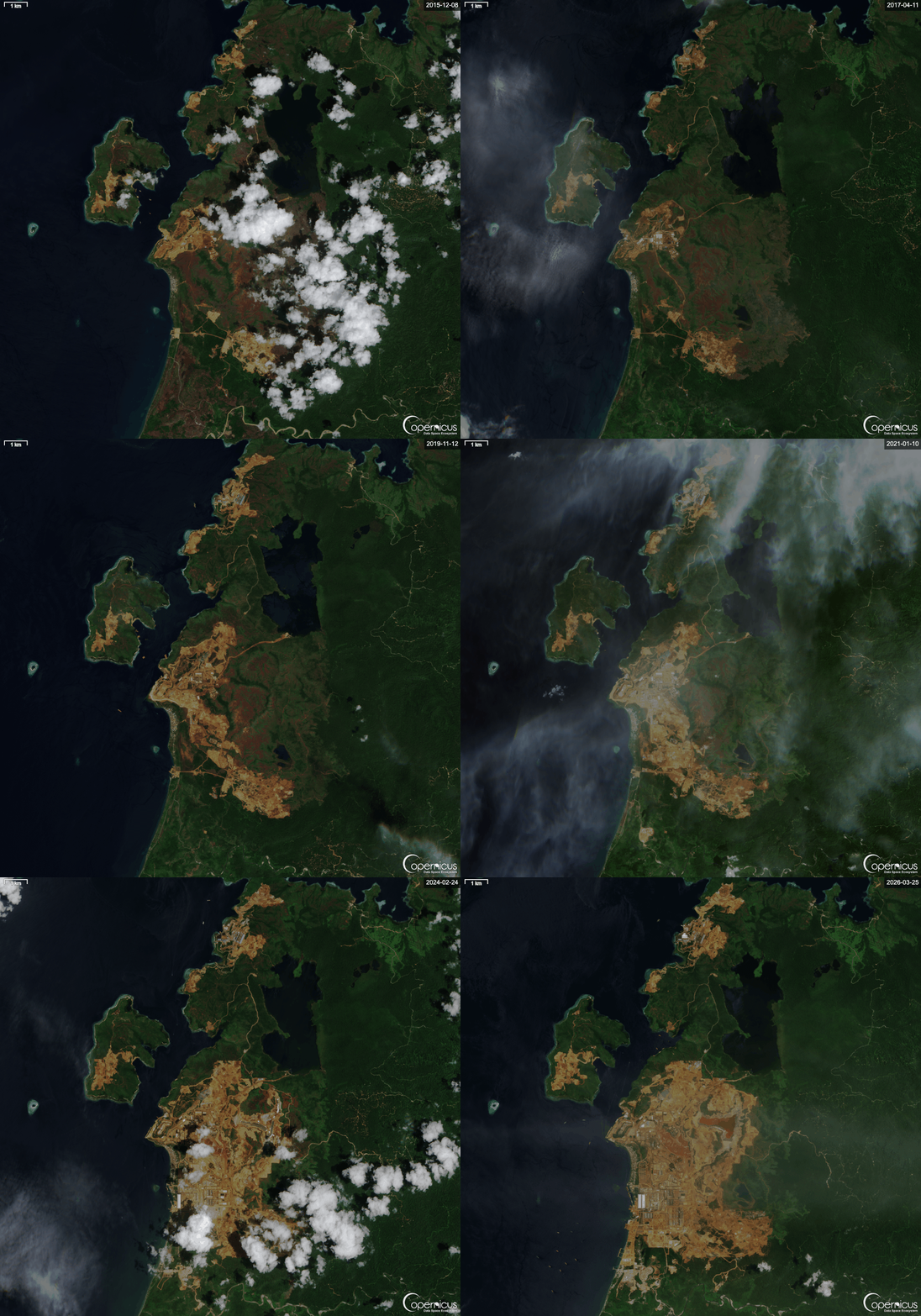
The vertically integrated RKEF process would become more valuable as Indonesia began pushing to move up the nickel value chain. But Tsingshan didn’t initially plan to build a full mine-to-metal pipeline in Indonesia. When Indonesia’s 2009 Mining Law pressured foreign companies to process minerals locally, Tsingshan only announced plans for a laterite mine and nickel processing facility—no RKEF or steelmaking—in Morowali Province. Tsingshan continued operating its RKEF in China on imported Indonesian laterites. But this arrangement quickly proved inefficient. The low nickel content of laterites meant most of what Tsingshan paid to freight overseas was waste. This, in addition to the looming shadow of Indonesian export controls, the mine-to-metal nature of the RKEF stainless steel process, and Xi Jinping’s signing of a high-profile Memorandum of Understanding in 2013 to turn the Morowali site into a much larger industrial park, convinced Tsingshan to commit fully to building a future in Indonesia. $6 billion and 5 years of intense construction later, Tsingshan turned, in their words, a “barren island” that lacked “electricity, mobile communication signals, and even paved roads” into an industrial ecosystem complete with a port, airstrip, captive coal-fired power plants, coke plant, lime plant, acid plant, and even hotels, hospitals, and schools.
The story behind NPI is not a single, decisive moment of disruptive innovation. Rather, it was a series of deployment hurdles overcome by whoever was positioned best to tackle the challenge at hand. NPI’s first hurdle touches on a general principle: developing an industrial process requires working with industrial equipment large enough to reproduce the physics and operating problems of real, full-size production. Luckily, Liu had zero-cost access to a blast furnace, which he would use as a critical piece of research infrastructure to pioneer NPI smelting. Tsingshan would later run into the same hurdle for its integrated RKEF approach. Its success owes not to pre-existing research infrastructure but rather the confidence that building its own research infrastructure would pay for itself in the long-term.
After R&D, the primary challenge became scaling. Here, Huaguang’s and Tsingshan’s stories split. Tsingshan moved forward because it owned high-volume industrial assets and process experience; Huaguang lagged because it didn’t. Lastly, Indonesia provided a safe investment environment wherein scaling risk and cost were lowered.
Taken together, the NPI case points to a less romantic model of industrial innovation. New processes need ideas, but they also need large and expensive research infrastructure, accumulated process knowledge, a financial backer willing to absorb scale-up risk, and access to power, ports, transport, and labor. Liu created a technical and market opening, Tsingshan scaled it, and Indonesia gave it somewhere to commercialize.
The Origins of High-Pressure Acid Leaching
High-pressure acid leaching (HPAL) for MHP production developed in fits and starts over 80 years.
The first experiments with HPAL were carried out during World War II by Freeport, a U.S. mining company interested in processing Cuban nickel ores. Industry documentation from 1960 describes HPAL as one of many techniques tested during the late 1930s and 1940s, but enough magnesium—which acts like a sponge for sulfuric acid—was in the ore that researchers abandoned HPAL for an ammonia-based approach.
Revived U.S. concern over nickel supply, sparked by the Korean War, gave HPAL new life. In 1950, Congress passed the Defense Production Act (DPA), which would be activated two years later to encourage exploration of new nickel mines. Freeport found that the laterites in Cuba’s Moa Bay had low enough magnesium content to potentially work with HPAL. Further benchtop trials confirmed this hypothesis, leading to the construction of an integrated pilot plant in Louisiana. In 1957, the DPA was activated once again for a first-of-a-kind HPAL plant in Moa Bay based on the pilot’s design. The deal included $100 million in upfront government funding and a five-year, $248 million offtake agreement—worth in total around $4.2 billion in 2026 dollars. But just one year after Moa Bay came online in 1959, Fidel Castro nationalized it along with every other foreign-owned industrial facility in Cuba.
Moa Bay continued operating after nationalization and still processes Cuban laterites today. But for decades, the Cuban embargo kept HPAL process knowledge largely outside Western industrial networks, confined to Cuban operators and occasional teams of Soviet technicians.
That changed after the Soviet Union dissolved in 1991. Cuba lost its main trade partner, and Moa Bay survived by entering a joint venture with a Canadian mining company and shipping mixed sulfide precipitate (MSP) to a refinery in Alberta. Over the following years, the arrangement showed global mining firms that HPAL could be commercially viable outside a Soviet-bloc trade system. It derisked HPAL’s market potential in much the same way that Huaguang later derisked NPI.
Other mining companies noticed, and in the late 1990s, three Australian projects—Murrin Murrin, Bulong, and Cawse—decided to try their hands at HPAL. All three failed badly across multiple dimensions. Amongst many other engineering oversights, developers failed to account for the high magnesium content of Australia’s laterites and fell victim to a limitation that HPAL’s original researchers identified up front. Magnesium consumes so much sulfuric acid that Bulong famously exhausted the entire available supply in Western Australia. Non-technical issues also added to the list of hardships. For example, the projects planned to sell nickel into open markets, which placed pressure on senior management to cut CAPEX by taking engineering shortcuts and rushing construction to get to market quickly. Of the three original HPAL projects in Australia, only Murrin Murrin remains active today. A fourth project, Ravensthorpe, was built years later with the benefit of hindsight, but still repeated many of the same mistakes.
Sumitomo Metal Mining, a large Japanese metallurgical company, took a different approach. It began feasibility work in 2000 on its Coral Bay plant in the Philippines with an arrangement for Sumitomo’s Niihama refinery in Japan to purchase all output. Freed from long-term market uncertainty, Sumitomo’s engineers could prioritize diligence and accuracy over meeting an arbitrary schedule. Sumitomo also took deliberate action to facilitate knowledge transfer, flying Filipino workers to Niihama before construction began, then using Coral Bay veterans as mentors for a second Philippine plant in Taganito. These actions contributed to outstanding results. Coral Bay and Taganito both operated at over 85% nameplate capacity after just one year; ramp-up for every other HPAL project built around the same time took twice as long or more, and most never even neared the same production levels. The sole exception is the Ramu HPAL plant in Papua New Guinea.
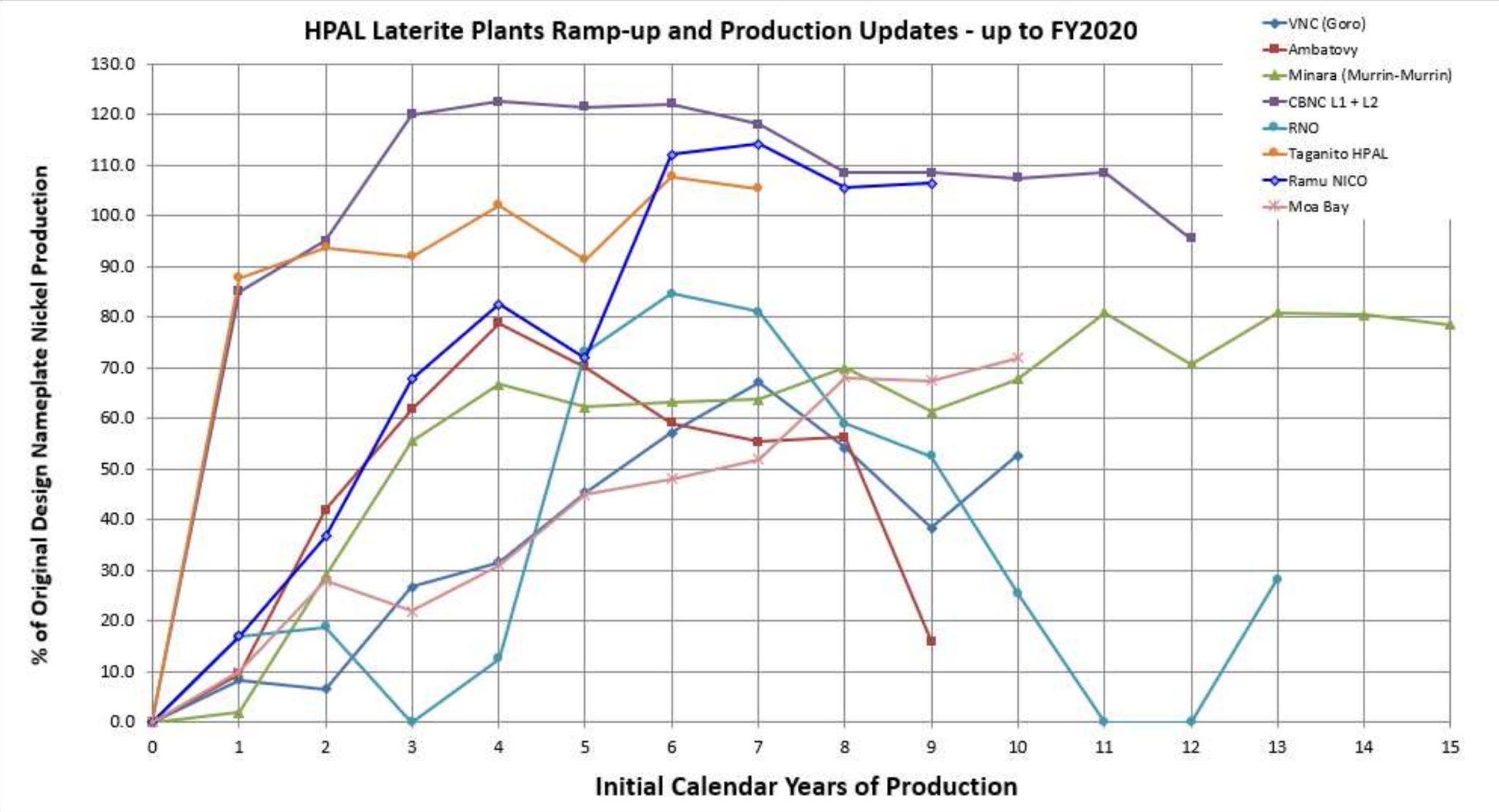
The Ramu plant was launched by an Australian mining company that realized around five years into development that it lacked the necessary capital to see the project through to completion. It chose to sell the majority of Ramu’s ownership to the Metallurgical Corporation of China (MCC), which partnered with three of China’s largest nickel and steel enterprises to finance the $2.1 billion plant and supervise its execution. Backing from this coalition introduced the patient capital and strong technical roots that Ramu needed to succeed.
The Chinese engineers who worked on Ramu learned the intricacies of HPAL and would carry that experience over to Indonesia in the exact way that Sumitomo’s engineers carried experience from Niihama to Coral Bay and then to Taganito. MCC led the technical work on two of the three Indonesian HPAL projects, Obi and QMB. The third project, HNC, was led by GEM, a global leader in battery recycling, and included partnerships with Tsingshan and CATL—the world’s largest manufacturer of EV batteries. All three Indonesian projects began with firm offtake agreements with downstream Chinese businesses. They also had the added advantage of tapping into pre-built infrastructure available in Indonesia’s burgeoning industrial parks, cutting out major line items like mine development and power. Under these favorable conditions, it took Obi, QMB, and HNC just three years to move from feasibility to commercial production. As of mid-2026, several HPAL facilities are projected to begin production by the end of the year, potentially doubling Indonesia’s MHP capacity.
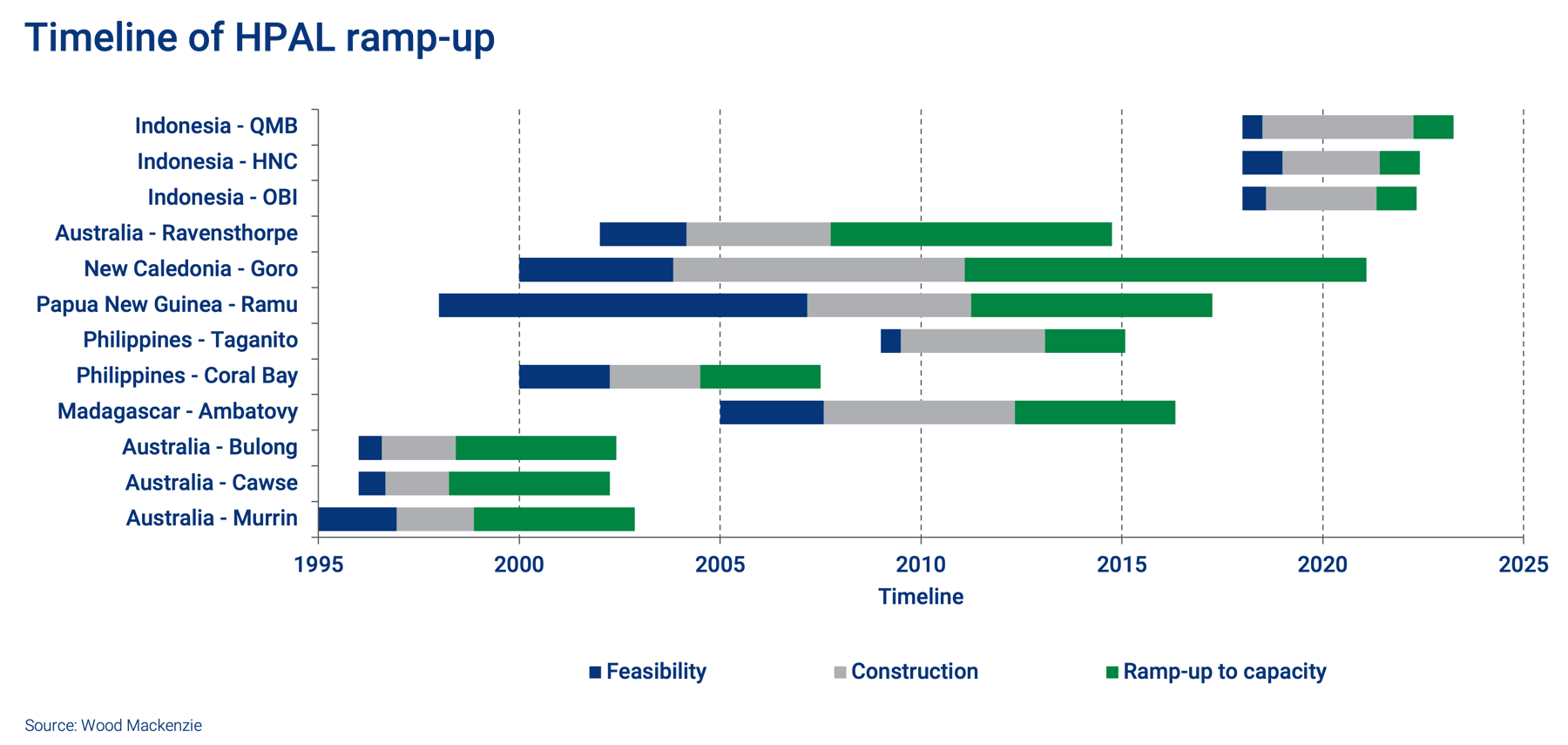
HPAL’s checkered history validates that durable financing, revenue certainty, and real-world technical expertise are absolute essentials for a successful industrial project, innovative or not. Australian HPAL struggled because it lacked one or more of these variables, all of which were clearly identified for HPAL in Sumitomo and MCC/Indonesia. Even Moa Bay was thoroughly derisked via aggressive DPA support and built by Freeport, which leveraged its deep background in sulfur production. After decades of false starts and billions of dollars in cost overruns, Indonesia’s industrial parks worked exactly as planned, providing the substrate upon which HPAL commercialized.
Can Other Countries Replicate Indonesia’s Success?
In some ways, Liu’s explosive entrepreneurial success story appears to contrast with HPAL’s long, winding path to mass deployment. One follows a self-taught metallurgist experimenting in an abandoned blast furnace; the other with international tech transfer and multi-billion-dollar firms. But the apparent contrast is only superficial. In both cases, disruptive innovation emerged only after alignment of the same key capabilities and many years of prior work.
Both NPI and HPAL were shaped by many forces not discussed here in detail: Chinese industrialization, geopolitics, regulatory compliance, and—of course—luck. But the central pattern is still clear. Long-term stability—whether through sustained market pulls or direct contracts with downstream processors—gave investors the confidence to make billion-dollar bets and gave engineers the time to overcome technical hurdles.
Indonesia’s contribution was narrow but invaluable—it did not fund Liu’s early experiments or Freeport’s pilot plant, nor did it create the technical workforces that Tsingshan and MCC brought into their projects. Rather, Indonesia created the conditions necessary for commercialization. Proactive announcement of export controls gave the clear signal that nickel processing would increasingly have to occur onshore, while industrial parks—made credible by a cooperative international initiative—reduced the cost and complexity of CAPEX-intensive projects. These conditions made Indonesia a natural destination for technologies developed elsewhere to grow, and fueled Indonesia’s successful capture of NPI and HPAL markets despite the country’s choice not to pursue a domestic R&D program of its own.
The NPI and HPAL case studies don’t imply that any country can replicate Indonesia’s industrial strategy, especially without comparable resource endowment, dependence on captive coal power, and favorable market timing. Still, Indonesia’s crucial role in the overall stories of these two nickel intermediates demonstrates how difficult disruptive industrial innovation will be if supportive industrial and investment ecosystems remain in short supply. Without empirical process knowledge, risk-tolerant capital, secure demand, abundant infrastructure, and credible political signals, even early-stage technologies with tremendous promise may continue to fall short of their commercial ambitions.
