

By Dan Blaustein-Rejto
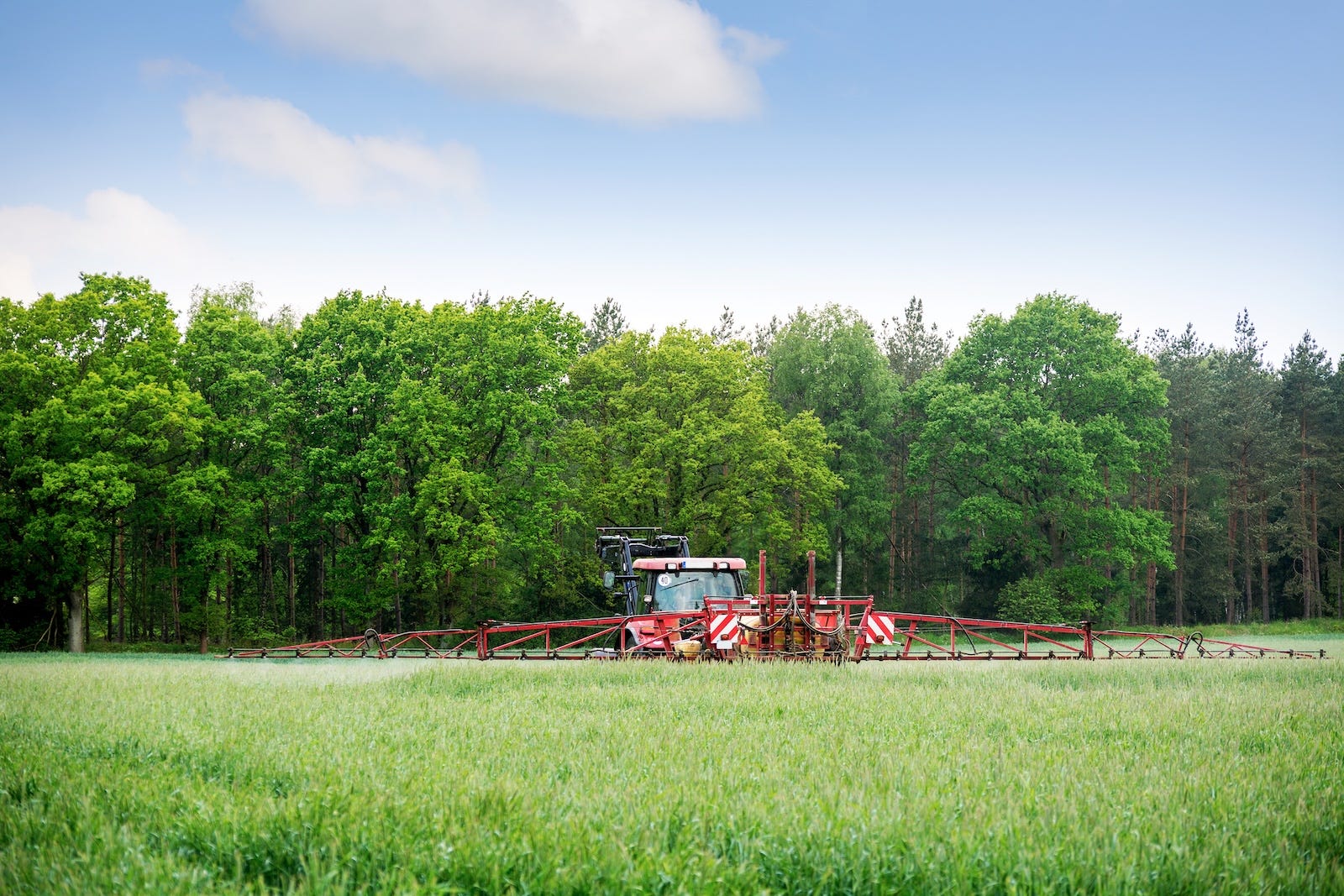
Glyphosate may just be the most polarizing chemical in modern agriculture, if not modern society. Since the World Health Organization’s International Agency for Research on Cancer (IARC) classified it in 2015 as a “probable human carcinogen,” glyphosate has become a fixture of courtroom battles, consumer anxiety, and political debate. Juries have awarded multi-billion-dollar verdicts against its manufacturer, Monsanto, acquired by Bayer in 2018. Several countries have banned its use, often to reverse the ban shortly after, as in Mexico, Germany, and Sri Lanka. And activists have successfully forced regulatory agencies, including the Environmental Protection Agency, to revisit their assessments of the chemical’s safety.
Public opposition to glyphosate rests not only on concerns about its alleged health impacts, but also on a widespread narrative casting glyphosate as an ecological villain—accused of destroying healthy soils, harming pollinators, contaminating water, and degrading biodiversity.
But a closer look at how glyphosate is used, which herbicides it has replaced, and how it reshaped farming systems tells a more complicated story. For many of its most common agricultural uses, glyphosate has delivered net environmental benefits, largely by displacing more toxic herbicides and enabling farming practices that reduce soil erosion, water and air pollution, energy use, and crop losses.
That does not mean glyphosate is benign, or that current weed control practices are beyond reproach. Glyphosate resistance in weeds continues spreading. And glyphosate-based herbicides, though often better than the alternative, still negatively impact wildlife and ecosystems. But building more sustainable weed management alternatives requires understanding what works well today so environmental benefits are preserved and expanded moving forward.
More spraying, less hazard
Glyphosate was first approved and marketed in the United States in 1974 as a broad-spectrum herbicide designed to kill most plants it contacts. Its rise coincided with the commercialization of genetically engineered glyphosate-tolerant (“Roundup Ready”) crops beginning in the mid-1990s. Today, glyphosate is primarily used on corn, soybean, and cotton operations, applied to roughly 80–90% of those crops’ acreages. These crops—which are overwhelmingly grown for animal feed, biofuel, and fiber rather than direct human consumption—account for the vast majority of all agricultural glyphosate usage, about 84%.
In these systems, glyphosate is used in three main ways: as a “burndown” before planting to clear fields without tillage; as weed control on glyphosate-tolerant crops while they are growing; and after harvest to suppress weeds before the next planting. These uses have made glyphosate the most widely used herbicide in U.S. history, with over 250 million pounds used annually.
But volume alone is a poor proxy for environmental harm. What matters is glyphosate’s toxicity, how it compares to the herbicides it replaces, and the farming practices it enables.
By almost any measure, glyphosate and glyphosate-based herbicides (which contain other substances such as surfactants) have a low toxicity even at the high volumes used. For example, a 2017 analysis by weed scientist Andrew Kniss found that in the most recent data available, glyphosate accounted for roughly 26% to 43% of herbicide applications in corn and soybeans, respectively, yet contributed only 0.1% and 0.3% of the chronic mammalian toxicity hazard in those crops, which reflects the risk of adverse effects to mammals from long-term exposure. We updated these estimates with USDA data released since then. As shown in the figure below, although glyphosate accounts for a large share of the herbicides applied to each major crop, it accounts for a much smaller share of the acute hazard to mammals and no more than 1% of the chronic hazard. For instance, in 2024, glyphosate accounted for 50% of herbicide applications to winter wheat, but only 0.7% of the chronic hazard to mammals.
To be sure, there are many different ways to measure the toxicity of herbicides. The hazard figures above are based only on estimates of toxicity to rats. While this is helpful in understanding potential impacts on mammals, it sheds little light on how an herbicide affects birds, insects, fish and other organisms. But by most measures, glyphosate also has little impact on these animals and is much more benign than the other herbicides farmers often use today instead of glyphosate such as when they’re dealing with glyphosate-resistant weeds. The table below compares several of these measures for the herbicides most widely used on corn, soybeans, and wheat. It shows that glyphosate, as well as glufosinate (a non-selective herbicide often used on glyphosate-resistant weeds), are among the least toxic options for most species studied.
The adoption of glyphosate and glyphosate-tolerant cropping systems also reduced reliance on a number of legacy herbicides that had disproportionately high toxicity levels. For example, glyphosate-based weed management enabled farmers to cut back on Alachlor, an herbicide that was widely used on corn and soy farms. After determining that it is a probable human carcinogen, EPA restricted its use and, with effective alternatives available to farmers, eventually revoked approval for all Alachlor products.
None of this means glyphosate is environmentally harmless. Ecological risk assessments from EPA and other regulatory agencies identify real concerns in some contexts. Chronic glyphosate exposure may slow growth of some birds. But one of the most concrete risks is not from glyphosate itself, but from surfactants that are mixed into some formulations to help it better penetrate plant leaves: EPA finds that drift from heavy aerial application of formulations with polyethoxylated tallow amine (POEA) carry a slight risk to some freshwater fish, amphibians, and aquatic invertebrates. Likewise, some formulations may increase the impact of acute exposure to birds, though the evidence on this is limited.
Glyphosate itself, as well as other broad-spectrum herbicides, also can have indirect effects on wildlife by killing the plants they rely on. For example, glyphosate is not considered acutely toxic to monarch butterflies or their larvae at the rates they’re exposed to it. But spraying and drift can kill milkweed, which the butterflies exclusively lay their eggs on. Milkweed populations substantially declined at the same time that herbicide-tolerant crops and glyphosate use rose. But increased use of any herbicide that affects milkweed would have had a similar effect. In fact, compared to glyphosate, many common herbicides—like Dicamba—affect milkweed at even lower doses and are more likely to drift from where they were applied and affect nearby vegetation.
Glyphosate, like any product designed to kill plants, carries some risk. The relevant question for judging its environmental impact is not whether it poses any risk, but whether it poses less risk than realistic alternatives. For most uses in farming, the answer is clear: glyphosate is the lesser evil.
Herbicide-enabled no-till farming
One of glyphosate’s most important environmental benefits, however, is indirect.
By enabling effective weed control without plowing, glyphosate and glyphosate-tolerant crops made no- and reduced-tillage farming viable at scale. Beforehand, tillage was the primary way farmers suppressed weeds, repeatedly disturbing the soil to uproot plants and bury their seeds deep underground. Farmers could kill weeds before they planted their crop with other herbicides, but many herbicides weren’t effective in killing all species or persisted long enough in the soil that farmers had to wait too long to plant their seeds. Once the crop was growing, farmers also often had to till in between rows to control weeds. Glyphosate, combined with tolerant crops, allowed farmers to spray their fields before planting to effectively control weeds as well as to spray after their crop emerged.
Glyphosate-based weed management is not the only factor impacting a farmer’s decision to implement conservation tillage, a practice that dates back to the 1940s, but it has substantially increased use of reduced- and no-till farming. Surveys of farmers in the mid 2000s, as illustrated below, found a large jump in adoption after producers of cotton, soy, or corn adopted glyphosate-tolerant varieties. Since then, the development of glyphosate-resistant weeds has caused some farmers to plow more. Yet glyphosate use remains the strongest predictor of whether a farmer uses conservation tillage methods.
Less tillage leads to less soil erosion, one of agriculture’s most damaging externalities. Eroded soil carries sediment, nutrients, and pesticides into waterways, degrading aquatic habitat and water quality. Since 1982, U.S. cropland erosion rates have fallen by about one-third, with glyphosate-based weed management and conservation tillage playing a large role. By one estimate, adoption of glyphosate-tolerant soybean varieties increased the use of no-till among soy producers by 20%, cutting soil erosion by 27 million tons per year and generating over $100 million in water quality improvements.
Leaving crop residues on the field also improves soil structure, increases organic matter, and reduces nutrient runoff. No-till systems disturb earthworms and soil organisms less frequently and provide more continuous ground cover for wildlife. Studies often find higher abundance of birds and small mammals in reduced-till systems, in part because residues provide cover from predators, food, and avoid the destruction of ground-nesting birds during spring tillage.
Reduced tillage also saves energy and reduces greenhouse gas emissions. Plowing and cultivation require multiple tractor passes, consuming diesel. Continuous no-till farming can save over three gallons of fuel per acre per year, cutting CO₂ emissions. Glyphosate-enabled reductions in tillage save up to 60 million gallons of fuel in the US, avoiding up to half a million tons CO₂e per year. This is a relatively small amount—about 1% of annual emissions from fuel combustion for farming—but is nevertheless beneficial. No-till farming may also help store extra carbon in the soil, though often far less than typically assumed.
Though often overlooked, conservation tillage also reduces the amount of dirt and dust from farming, significantly improving air quality. Conventional tillage disturbs the soil, kicking some into the air where it often remains windborne and contributes to cardiovascular disease and chronic respiratory problems like COPD. Though it is not one of the primary sources of particulate matter or other air pollution, tillage-related pollution nevertheless causes about 1300 deaths annually. The rise in no-till and conservation tillage, often enabled by glyphosate, helps avoid several hundred deaths annually.
Pre-harvest glyphosate use
Among the different uses of glyphosate, pre-harvest application—spraying glyphosate on fully grown wheat and other food crops—has attracted some of the greatest opposition. Representative Thomas Massie, MAHA activists, and RFK Jr. have all proposed banning this practice. Concern about spraying any herbicide on food crops near harvest time is understandable. However, this practice is uncommon, considered safe, and has several unique environmental benefits.
Pre-harvest spraying is most common on small grains and legumes such as wheat, oats, barley, and pulses, particularly in cool or wet climates. It primarily helps with harvest by killing weeds that may interfere with harvest equipment and crop quality, spurring more even maturation (especially of pulses), and reducing moisture content for some crops and enabling earlier harvest. However, it remains a rare practice, used on less than 3% of wheat acres. In these cases, farmers must wait until the crop is already mature and generally wait at least a week before harvesting. This reduces the amount of herbicide absorbed by the grain, effectively limiting glyphosate residues in the final food products. FDA and other agencies consistently find that tested foods have residues far below levels that would pose a concern to the health of consumers. Even in an implausibly extreme scenario where a child ate only wheat products made from grain that was sprayed pre-harvest and had the maximum legal glyphosate residues persist on it through processing, they would need to eat more than 1 ½ loaves of bread or 15 cups of pasta per day to reach EPA’s daily safety limit. That threshold is itself quite conservative, set 100 times below the highest dose that caused no harm in relevant animal studies.
Though sparingly used, pre-harvest application nevertheless has significant benefits not only for farmers but also the environment. For one, glyphosate can help farmers avoid wasting land, fertilizer and other resources growing crops that are then lost due to late-season weeds or spoilage. Pre-harvest spraying also reduces the weed burden for the subsequent crop, raising yields in some cases and thereby reducing the need to bring additional land into production. In addition, it can avoid energy- and emissions-intensive post-harvest drying. Grain dryers burn large amounts of propane or natural gas to reduce moisture levels. Finally, when compared to other chemical desiccants, glyphosate is often one of the lowest-impact options available. Common alternatives such as paraquat and diquat dry crops more quickly, but are generally more toxic to humans and wildlife and therefore pose greater risks in the event of misapplication or drift.
Building on glyphosate’s legacy
Glyphosate is not an environmental panacea. Glyphosate-based herbicides can negatively impact some wildlife and habitats. But neither is it the ecological villain of popular imagination. Rather, glyphosate has enabled farmers to move away from other more toxic herbicides, till their fields less often, and manage wet conditions at harvest that otherwise could lead to crop losses.
The path forward is not to defend glyphosate indefinitely nor to ban it reflexively, but to retain the efficiencies and environmental benefits it enables while developing alternatives with even smaller tradeoffs.
That starts with a strong, science-based regulatory system capable of evaluating both existing products and new alternatives. Abrupt removal of glyphosate from the market without viable replacements would likely increase tillage and revive more hazardous chemistries, undermining decades of progress. As it stands, Bayer—the manufacturer of Roundup—has phased out glyphosate in its residential lawn & garden products, replacing some of it with diquat, which is generally considered more toxic.
Just as importantly, it requires sustained public support for research, development and farmer adoption of new technologies. Precision application technologies that use computer vision and machine learning to identify and spray individual weeds can reduce herbicide use by about 30–60%, and up to 90 percent in some cropping systems and studies. Autonomous robotic weeders are beginning to scale beyond specialty crops and into row-crop agriculture. Recent proposals in Congress to increase support for farmers to purchase precision agriculture equipment could go a long way to accelerating adoption. But development of new pesticides, both synthetic and biological, as well as herbicide-tolerant genetically engineered crops remains critical for farmers to better manage weeds, especially ones that are resistant to existing herbicides.
Building a more sustainable approach to weed management also requires improved transparency. USDA and FDA should expand routine monitoring for glyphosate and other herbicide residues and report results clearly. This is not because more evidence would necessarily identify new risks, but rather because public trust depends on visibility and accountability. While FDA added glyphosate to its annual pesticide residue monitoring program beginning in 2017–2018, its analyses are not nationally representative. The US Government Accountability Office has outlined several ways for the agency to make its monitoring more statistically robust. FDA’s release of a new data portal for summarizing pesticide and other dietary exposures is a good first step.
Glyphosate illustrates the environmental promise and tradeoffs of agricultural innovation. It helped enable meaningful reductions in tillage, fuel use, and herbicide toxicity. It also carries ecological risks that warrant continued research, scrutiny, and management. For policymakers, the key question is not whether glyphosate is flawless, but rather how to encourage its responsible use and develop alternatives that deliver better environmental outcomes. That requires rigorous oversight, transparent monitoring, and federal support for innovation instead of bans that replace one set of impacts with more damaging ones.
Tort law is the BIG problem, for both agriculture and nuclear power.
Roundup litigation awards are $11 billion so far, with 61,000 cases pending. No harm has been shown, only a failure to warn. Private insurance can not backstop $200 billion of inflated liability for a nuclear power accident.
Since the US tort law system is so outrageous, the Price Anderson Act caps liability. Each US power plant reactor buys $500 million of private insurance and also participates in a $16 billion liability pool for an accident at any of the other 94 reactors.
If the future US builds a thousand nuclear power reactors there will be accidents with radiation releases. Perfection is impossible. Radiation harm to health will be very unlikely, as shown at Fukushima, where sheltering in place would have saved 2,000 lives of needlessly evacuated citizens. To provide low-cost, ample nuclear power we must educate citizens and legislators about radiation effects and limit compensation to real harm.
https://lnkd.in/etQcvtnv
Superb!