

By Michael Giberson and Devin Hartman
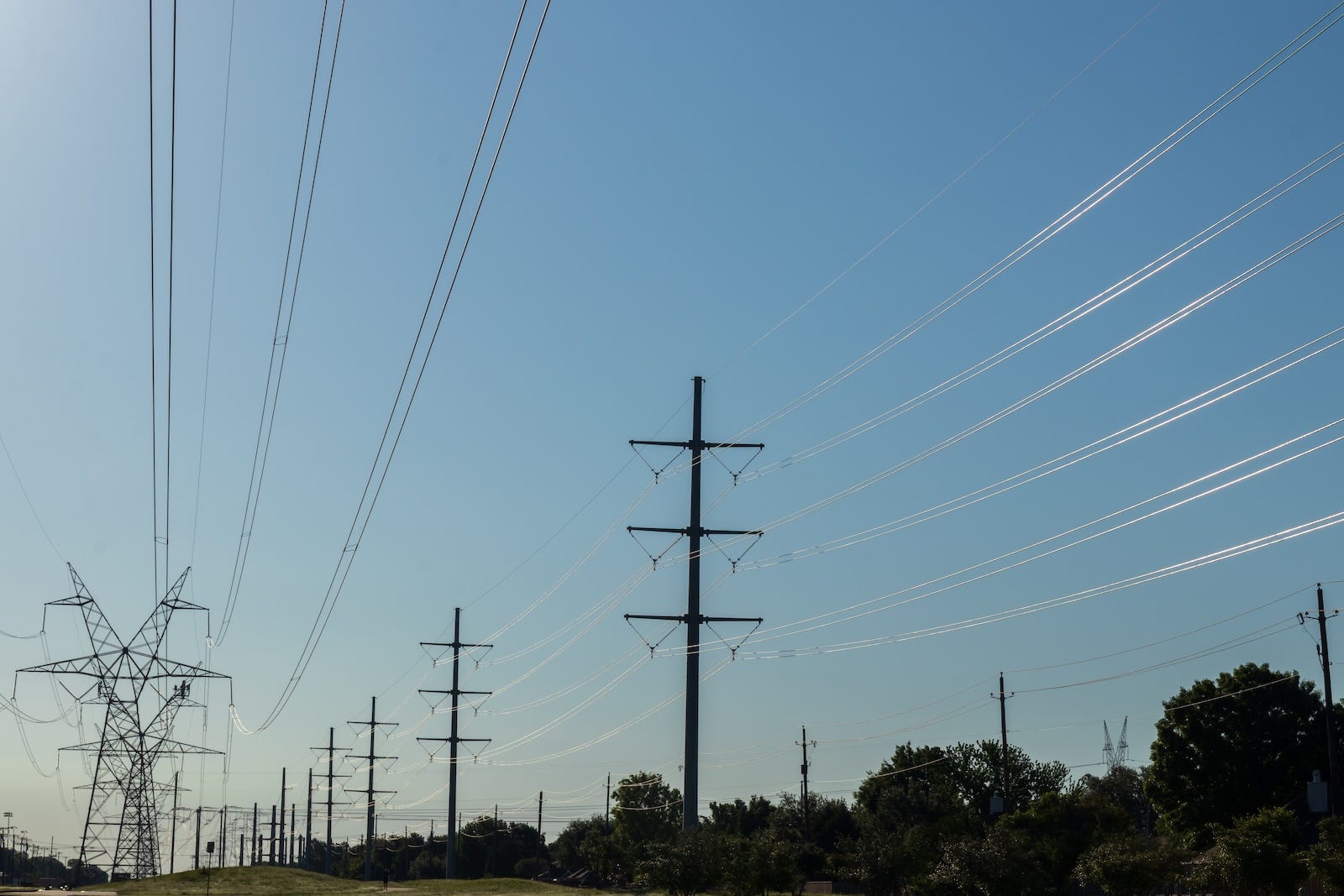
As Congress revisits permitting reform, proponents are clearing the path of obstacles. Lessons from the demise of the Energy Permitting and Reform Act (EPRA) of 2024 are in the spotlight. A March 2026 piece by the Breakthrough Institute (BTI) argues that EPRA failed in part because some utilities read its transmission provision as a vehicle for “stealth deregulation” of power generation, and warns that the next permitting package will fail the same way unless transmission reform is decoupled from deregulatory efforts. The piece makes two further claims: that deregulation has not delivered on its promises and that mandatory interregional transmission expansion is bad policy.
BTI is right that permitting reform is overdue, that side agendas can derail otherwise valuable proposals, and that the political coalition needed to pass anything is fragile. We share these premises and the urgency behind them. Diverse agendas ranging from reshoring manufacturing to fostering artificial intelligence (AI) development to reducing power sector emissions and enhancing grid reliability all require an ability to get things built.
We disagree, however, that transmission reform is a stealth deregulatory effort and disagree with their characterizations of industry restructuring and interregional transmission. Further, transmission and permitting reform are substantively compatible and politically complementary, as coalitions pairing the two have gained steam over the last three Congresses.
Stealth Deregulation: A Category Error
BTI’s description of the “stealth deregulation” effect is perplexing. It correctly identifies that greater physical ties between regulated utility regions and deregulated regions would expose “utilities to the argument that lower cost imports should displace new local investment” and that “this would not definitively lead to deregulation.” BTI claims that this would allow ratepayer advocates to make the case for utility trading with external generators and to integrate with competitive markets. This is true and desirable—it results in gains from trade—but this does not equate to generation deregulation. In fact, the wholesale markets in the Midwest, Plains, and those emerging in the West primarily consist of vertically integrated, cost-of-service utilities. Indeed, nearly half of the states in the US’s largest electricity market, PJM, are composed of vertically integrated, cost-of-service utilities. Transmission expansion and better generation coordination in these regions enable rate-regulated monopoly utilities to serve their customers at lower cost.
BTI’s “stealth deregulation” argument frequently treats wholesale market integration and supply deregulation as a single phenomenon. They are not. Supply deregulation, better known as restructuring, refers to reforms that make power generation and retail supply subject to competitive markets. Organized wholesale electricity markets are necessary to facilitate competitive supply, but they can also exist to improve trading between monopoly utilities. Further, even in states where retail supply has not been deregulated, wholesale competition exists with or without organized wholesale markets. Wholesale customers, such as coops and municipalities, are not subject to retail market designs determined by state policymakers, and they and their customers additionally benefit from cost-effective transmission integration.
Such confusion is common. It prompted the R Street Institute’s paper on electric paradigms, which identifies three basic models: traditional monopoly, fully restructured, and the hybrid that most states use—competitive wholesale markets with predominately monopoly generation and retail. For example, the majority of the Southwest Power Pool and Midcontinent Independent System Operator wholesale market footprints are regulated monopoly states totaling half of U.S. states. Western wholesale market expansion, and prospective expansion in the Southeast, are projected to have the same composition. Better transmission ties have value across all three paradigms.
